


Your shopping cart is empty!
Curly Kale "CN KAL 1029" F1 (Grünkohl, Borecole) (500 seeds)
Prof Pack
Brassica oleracea L. convar. acephala (DC) Alef var. sabellica L.
30.07€
Ex Tax: 24.25€
Ex Tax: 24.25€
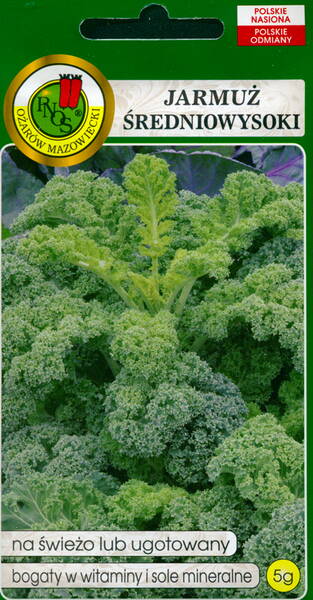
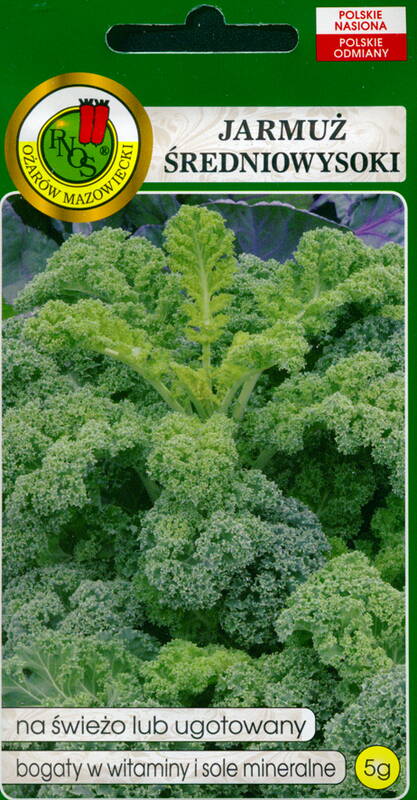
Curly Kale "CN KAL 1029" F1 (Grünkohl, Borecole).
A mid-early and very decorative variety, excellent not only in salads but also as an ornamental plant in the garden.
The plant is of medium height. It withstands temperature drops down to -13°C.
Cultural Context:
Kale (curly leaf cabbage) is traditionally grown in Northern Germany, Denmark, and Sweden, where the harvest is collected after the first frosts.
Agrotechnics:
The cultivation of kale differs little from other types of cabbage, but it is more robust.
* Requirements: The crop is moisture-loving. Lack of watering causes bitterness to accumulate in the leaves, so watering is necessary in autumn if there is no rain. It is less demanding on soil fertility than head cabbage.
* Resilience: Less affected by clubroot and flea beetles.
* Planting: Grown via seedlings or direct sowing. Seedlings are spaced 40 cm apart in a staggered pattern.
* Care: Apply nitrogen fertilizers 1-2 times, combining them with potassium. In organic gardening, use manure infusion with ash.
* Harvest: Being a very cold-hardy plant (down to -13°C), there is no need to rush with harvesting.
Beauty and Health:
Kale contains all the vitamins and minerals characteristic of cabbage in large quantities (C, beta-carotene, iron, protein, calcium, manganese).
* For beauty: It is considered a primary beauty product because it contains significantly more potassium than white cabbage (potassium is essential for skin health).
* Detox: Contains twice as much protein and fiber as white cabbage. Fiber perfectly cleanses the intestines and removes toxins. Accumulation of toxins leads to early aging and dull skin color.
* For mothers: Highly recommended for nursing mothers to maintain milk supply.
* Medical use: Cabbage juice is known for healing stomach and duodenal ulcers. Kale juice is also used for these purposes. Side effect: gas formation (a result of the rapid decomposition of putrefactive residues, actively stimulated by the juice).
Culinary Features:
Modern vegetable varieties like this one lack the toughness and bitterness of older fodder types.
Important: With long thermal processing, the taste of kale deteriorates significantly. Cook it for only 6-8 minutes (steaming or poaching in a little water is best). Drop leaves only into boiling water! Do not leave in the broth after cooking; remove immediately.
Recipes:
1. Fresh Salad:
Tear the leaves into small pieces, sprinkle with lemon juice (activates nutrients), and dress with any vegetable oil (olive or aromatic sunflower). Add pine nuts, sunflower seeds, herbs, boiled egg, and corn. Salt and pepper to taste.
2. Side Dish:
Cut kale leaves into large pieces (or tear by hand) and boil for 6-8 minutes. Use a small amount of water with a slice of lemon (without zest). Place leaves on a plate, drizzle with olive oil, and sprinkle with herbs. Serve with pork sausages or bacon fried in thin slices. Garnish with cherry tomatoes.
Doctors claim that a side dish of kale, so rich in fiber, is the best complement to fatty meat foods!
A mid-early and very decorative variety, excellent not only in salads but also as an ornamental plant in the garden.
The plant is of medium height. It withstands temperature drops down to -13°C.
Cultural Context:
Kale (curly leaf cabbage) is traditionally grown in Northern Germany, Denmark, and Sweden, where the harvest is collected after the first frosts.
Agrotechnics:
The cultivation of kale differs little from other types of cabbage, but it is more robust.
* Requirements: The crop is moisture-loving. Lack of watering causes bitterness to accumulate in the leaves, so watering is necessary in autumn if there is no rain. It is less demanding on soil fertility than head cabbage.
* Resilience: Less affected by clubroot and flea beetles.
* Planting: Grown via seedlings or direct sowing. Seedlings are spaced 40 cm apart in a staggered pattern.
* Care: Apply nitrogen fertilizers 1-2 times, combining them with potassium. In organic gardening, use manure infusion with ash.
* Harvest: Being a very cold-hardy plant (down to -13°C), there is no need to rush with harvesting.
Beauty and Health:
Kale contains all the vitamins and minerals characteristic of cabbage in large quantities (C, beta-carotene, iron, protein, calcium, manganese).
* For beauty: It is considered a primary beauty product because it contains significantly more potassium than white cabbage (potassium is essential for skin health).
* Detox: Contains twice as much protein and fiber as white cabbage. Fiber perfectly cleanses the intestines and removes toxins. Accumulation of toxins leads to early aging and dull skin color.
* For mothers: Highly recommended for nursing mothers to maintain milk supply.
* Medical use: Cabbage juice is known for healing stomach and duodenal ulcers. Kale juice is also used for these purposes. Side effect: gas formation (a result of the rapid decomposition of putrefactive residues, actively stimulated by the juice).
Culinary Features:
Modern vegetable varieties like this one lack the toughness and bitterness of older fodder types.
Important: With long thermal processing, the taste of kale deteriorates significantly. Cook it for only 6-8 minutes (steaming or poaching in a little water is best). Drop leaves only into boiling water! Do not leave in the broth after cooking; remove immediately.
Recipes:
1. Fresh Salad:
Tear the leaves into small pieces, sprinkle with lemon juice (activates nutrients), and dress with any vegetable oil (olive or aromatic sunflower). Add pine nuts, sunflower seeds, herbs, boiled egg, and corn. Salt and pepper to taste.
2. Side Dish:
Cut kale leaves into large pieces (or tear by hand) and boil for 6-8 minutes. Use a small amount of water with a slice of lemon (without zest). Place leaves on a plate, drizzle with olive oil, and sprinkle with herbs. Serve with pork sausages or bacon fried in thin slices. Garnish with cherry tomatoes.
Doctors claim that a side dish of kale, so rich in fiber, is the best complement to fatty meat foods!